
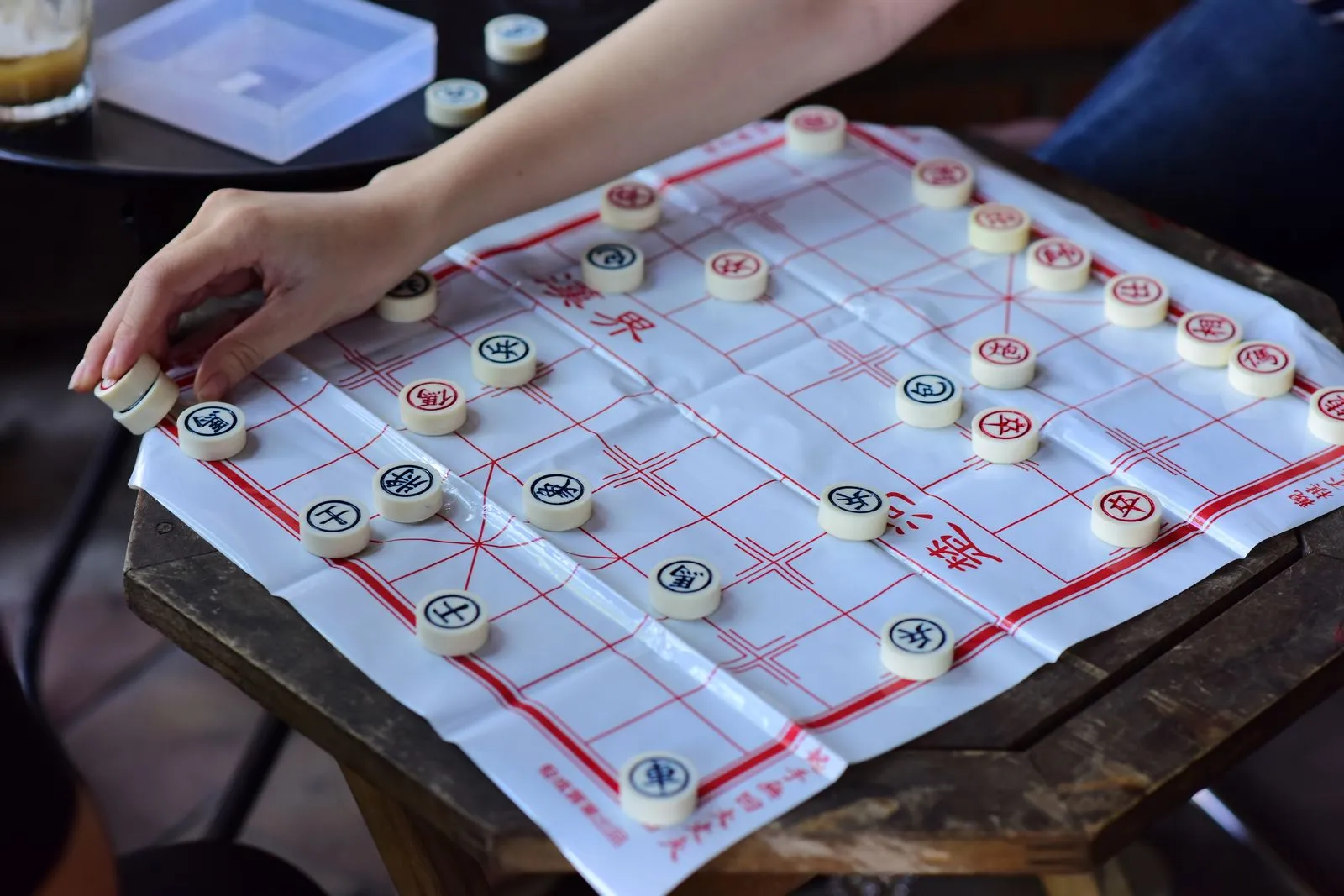
A friendly chess game is about more than finding the best move. A clear greeting, considerate play, and a gracious finish help both players feel welcome, whether they are beginners or regulars. Casual club games do not need to feel formal, but a few simple courtesies prevent misunderstandings and keep attention on the board. Use these practical habits to make your next over-the-board game comfortable, respectful, and enjoyable from the first move to the last.
Before the First Move
Say hello and ask whether your opponent is ready to play. If you are new to each other, introduce yourself and check what kind of game they want: a relaxed game, a timed game, or an opportunity to talk through ideas. Agree on a clock and time control before starting. If neither player wants a clock, say so clearly and settle in for an untimed game.
Set the board correctly before you begin. Each player should have a light square at the right-hand corner nearest them, and the pieces should be arranged in their usual starting positions. Confirm who has White, then let that player make the first move. Keep drinks, bags, and phones clear of the playing area so nothing gets knocked onto the board.
Play With Consideration
Make your move with care, and avoid distracting your opponent while they are thinking. Keep conversation quiet and relevant to the game, or agree to chat more freely if both of you prefer a social atmosphere. Do not comment on a move while your opponent is deciding, point out possible moves during play, or make remarks that could sound like criticism.
Handle the pieces gently and move one piece at a time. If you need to adjust a piece on its square, say “adjust” or “j’adoube” before touching it; this makes clear that you are not making a move. Try not to hover over the board, tap the table, or repeatedly check your phone. If you need a break, tell your opponent and pause the clock if you both agree.
If you make an illegal move or are unsure about a rule, stop and discuss it calmly. In an informal game, the players can agree how to correct the position and continue. Avoid reaching across the board to move your opponent’s pieces, even when helping. If you are learning, it is perfectly reasonable to ask for clarification, and a friendly opponent can help keep the game welcoming.
Finish on a Good Note
When the game ends, acknowledge the result courteously. A handshake is common, but a simple “good game” works too. If you resign, say so clearly rather than leaving the table without explanation. If your opponent resigns or makes a mistake, respond with respect; avoid gloating or launching into an unsolicited analysis of what went wrong.
Ask before reviewing the game or offering advice. Your opponent may enjoy going over key moments, or they may prefer to reset the board and play again. If you do analyze together, keep the conversation constructive: ask what they were considering and share your own ideas without presenting every missed move as a lesson.
Before leaving, reset the pieces if another game may follow, return the clock to its starting position, and clear away anything you brought. If you want another game, ask rather than assuming your opponent is available. They may need a break, want to find another partner, or be ready to head home.
Good chess etiquette is simple: agree on the game, give your opponent room to think, and finish with respect. These habits make casual play more inviting for newcomers and regulars alike. At Bristol Chess Club, bring a friendly attitude, ask questions when needed, and enjoy the game one move at a time.